Conference Schedule

Day1: March 26, 2018

Keynote Forum
Biography

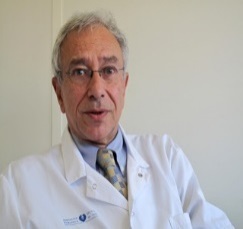
Patric Fellus is the current President of the French Pediatrics Orthodontics Society, a former Attached Consultant for the Parisians Hospitals and former Legal Expert in France. He has written three books and has more than 100 publications.


Abstract

Dropping suction deglutition is necessary to build a physiological occlusion. For 60% of children, it occurs by itself around the age of four years; it is in this sample of children that we will find the ones who will never need any orthodontic treatment. When the child requires a treatment, acquiring a good swallowing not only reduces the duration of the treatment but also ensures the stability of the results and avoids the risk of a relapse. This change of the swallowing program can be either done by the cortical or the subcortical way, but the results will be different. According to Eric Kandel, winner of Nobel Prize of Medicine in 2000, when this the action comes from the cortical area, there is a stimulation of neurotransmitters in our synapses in the short term memory, but when it comes from the subcortical area the child’s brain creates new synapses which stimulate the long term ones.
Biography

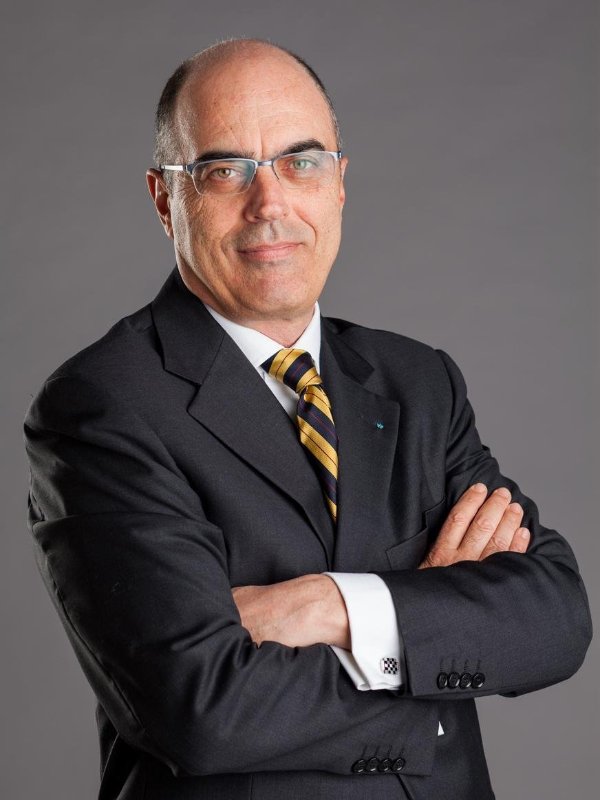
Fabio Savastano graduated in Medicine and Surgery in 1987cum Laude at the University of Naples, Italy. He completed his Master’s Degree in Orthodontics at the University of Padua, Italy in 1990. He is an Adjunct Professor and Director of the Master’s in Neuromuscular Orthodontics at the University of Valls, Andorra. He is the President of International College of Neuromuscular Orthodontics and Gnathology, Italy and International Member of the American Association of Orthodontics, is Member of numerous associations and has lectured in Brazil, Canada, UAE, Spain, Bahrain, Czech Rep., India, Ukraine, and Italy on Neuromuscular Orthodontics.


Abstract

Neuromuscular dentistry is the understanding of the relationship between the temporo-mandibular joints (TMJ), teeth, muscles and nerves. It enables the optimum physiologic position of the jaw to be established to assist in the correction of the underlying causes ofcraniofacial – temporomandibular joint, head and neck pain. Neuromuscular dentistry is also used to determine the optimum physiologic jaw position prior to complex dental restorative procedures, cosmetic dentistry, dental sleep medicine procedures, dentofacial orthopedics and orthodontics. It is a diagnostic and treatment modality of dentistry that focuses on correcting the physiologic “misalignment” of the jaw at the temporomandibular joint (TMJ). This lecture focuses on diagnosis and treatment of temporo-mandibular disorders in orthodontic patients according to neuromuscular principals and philosophy. Bioelectric instrumentations include the use of Ultra-Low-Frequency TENS, Electromyography and Computerized Mandibular Scanning. The procedure is described according to the ICNOG (International College of Neuromuscular Orthodontics and Gnathology) protocol. The Savasystem bracket prescription is described in detail showing the advantages from a gnathological point of view.
 

Biography

Liana Lima Pinheiro is the Author of the first Brazilian book of “Lingual Orthodontics”. She is also the Creator of the First Regular
Course in Lingual Orthodontics in Brazil, teaching all over the world. She has a Master’s Degree in Orthodontics and FacialOrthopedics, Doctorate in Laser in Orthodontics, Specialization in Orthodontics and Facial Orthopaedics, Post-graduated in Functional Occlusion, and the Managing Director of Oficina De Ortodontia, an Orthodontic School in Brazil. She is an Honorary Member of the Brazilian Odontology Academy and also from Odontology Academy of Rio de Janeiro, an important title to her professional career not only in recognition of her clinical and educational work but also her professional success.


Abstract

Facial orthopedics is fundamental for the early correction of orofacial and dental deformities in patients with Crouzon syndrome. This syndrome is an autosomal dominant, hereditary disease characterized by craniofacial deformities caused by the premature closure of cranial sutures. It is clinically diagnosed by the reduction of the anterior and posterior cranial bases, exophthalmia, and maxillary hypoplasia. The forehead is high, with a hooked nose, hypertelorism, palpebral ptosis, and asymmetrical orbits. Treatment during the growth phase is essential to achieve stimulation of the upper jaw, providing space for all teeth, and also balancing themandible. With these, there is a functional restoration of speech, swallowing and mastication that are essential for development, besides providing an aesthetic improvement during adolescence phase. Early treatment minimizes the need of more aggressive surgical procedures. The aim of this lecture is to describe all steps of an orthopedic treatment using removable and fixed appliances in a 10 year old girl with Crouzon syndrome that underwent an orthopedic/orthodontic treatment during her growth phase.

Biography

Michael Ellis is a Clinical Associate Professor at TAMU Collegeof Dentistry and Baylor University Medical Center, USA with a wealth of experience in the military, the private practice of general dentistry, prosthodontics, and oral and maxillofacial surgery, along with a proven career in academics. He attended SMU and Baylor College of Dentistry prior to owning a well-established practice of general dentistry in Dallas for 6 years. Returning to Baylor College of Dentistry, he then completed consecutive residencies in prosthodontics and oral and maxillofacial surgery before entering into active duty in the US Army. He has served as the Program Director and Chief in multiple advanced education programs in Oral and Maxillofacial Surgery, and has managed the most difficult of patients to include acute combat-related injuries, critically-ill transplant and cancer patients, acute facial trauma from motor-vehicle accidents, interpersonal violence, sports injuries, severe odontogenic infections, facial deformities requiring orthognathic surgery, and challenging ablative pathology requiring multiple forms of reconstruction.


Abstract

Dental neglect and dental procedures often create significant discomfort requiring a strategic approach to pain control while meeting patient expectations for a reasonable level of comfort. This course will review the epidemiology and history of dental prescribing habits and the use of opiates for the control of dental-origin pain. Concepts of tolerance, dependence, and preemptive analgesia will be introduced and discussed related to current treatment strategies. Finally, recommendations for the management of common dental procedural-induced pain will be provided. Goals and objectives for this course include: exposure to the epidemiology of the opiate crisis and the role of dentistry related to potential opioid abuse, An introduction to the pharmacology and psychology of tolerance and dependence, a review of pre-emptive analgesia enhance success for post-procedural pain, Understanding abuse and misuse of narcotics and other controlled substances, understanding the requirement of the TSBDE for annual self-query through the prescription, monitoring program of the Texas State Board of Pharmacy and provide a literature-based rationale upon which to build pharmacologic strategies for dental procedural related pain.

Biography

Ahmed Mohammed Hassan has completed his PhD from Al-Azhar University, Egypt. He is the Director of undergraduate operative program in Alfarabi Colleges for Dentistry and Nursing, Riyadh, KSA. He has supervised a Master’s thesis submitted to Al-Azhar University. He has published more than 7 papers in reputed journals and has been serving as a reviewer in esteemed international journals. He has worked in several private and governmentaluniversities in Egypt, Libya and Saudi Arabia.


Abstract

Objectives: Frontal teeth fractures occur daily, where the main patient demand is to restore the resultant defect esthetically. There is nothing more esthetic than the tooth itself. Many techniques were described to use the fractured piece to restore this defect in case of accurate fit. Unfortunately, there is no review which summarizes these techniques. The objective of this article is to summarize these techniques to give the dental practitioners the opportunity to restore the fractured tooth more conservatively and in the same time more esthetically. Also it throws light on the prevalence and etiology of tooth fracture.
Overview: Frontal teeth are subjected to traumas more than other teeth in the mouth. These traumas may lead to tooth fracture with or without pulp involvement. In attempts to restore the fractured tooth in more esthetic and conservative manner, the fractured piece may be used as a restorative material. This treatment modality has gained increased used due to the continuous development in the adhesive field. Several techniques were used. These techniques include, simple reattachment, external chamfer, over contouring, internal dentin bevel, and internal enamel bevel. All these techniques try to afford the highest fracture resistance accompanied with the least possible tooth preparation.
Conclusions: Reattachment of the fractured piece of frontal tooth is simple and successful treatment. This procedure can be performed by different techniques. Combination of two or more technique would result in better performance.

Biography

Abhiyanth Shetty is a specialist Orthodontist who always has a holistic approach in treating patients by using natural orthodontics. He graduated in Bachelor of Dental Surgery in 2002 and earned his Master’s degree in Orthodontics from Rajiv Gandhi University of Health Sciences in 2006. He has completed his fellowship in Neuromuscular Orthodontics and Ganthology from Italy in 2016 and currently he is pursuing his Master’s course in Neuromuscular Orthodontics and Ganthology from Spain. He has also undergone special training in treating patients using Orthotropic Philosophy in New Zealand for 5 years where he believed that normal growth and development of face and jaws mainly depends on correct oral posture i.e., tongue resting against palate, lips sealed, breathing from nose and teeth in or nearly in contact.


Abstract

Class III malocclusion has been a challenge for most of the clinicians when it comes for diagnosis, prognosis and treatment plan. This malocclusion can be classified as dentoalveolar, skeletal or functional, which will determine the prognosis. A 8½ year-old male patient in the mixed dentition stage, complained having anterior crossbite. Facial evaluation showed slight lack of development of the middle third. Intraoral examination revealed a forward shift of the mandible, with a marked mesial molar relationship, and a crossbite of the four permanent incisors with in-standing upper right lateral incisors and retained upper right lateral deciduous tooth, thus resulting in a functional Class III malocclusion. In this case, the patient was treated with fixed 2x4 appliances on upper and lower arch for 8 months, followed by retention protocol. After completion of the treatment, the patient was followed for a 6 months period, and stability was observed. The clinical treatment results showed that it is possible to achieve favorable outcomes with early management with fixed braces in Class III malocclusion patients and showed a significant growth in the sagittal skeletal position of the maxilla and significant improvement in the soft tissue profile. There is an increase in mandibular length as well as in maxillo-mandibular sagittal skeletal relationships. The patient exhibited a significant reduction in negative overjet and overbite. The lower incisors were retroclined and the lower first molars moved significantly in a vertical direction. This case shows that that the stability of the correction of a functional Class III malocclusion with minor skeletal involvement is mainly due to early diagnosis and the early intervention. So early treatment allows proper facial growth and development and prevents further worsening of the malocclusion, with more severe consequences like need for surgery, extraction or more complicated orthodontic procedure.

Biography

Isıl Damla Sener-Yamaner has completed her PhD from Department of Prosthodontics, Faculty of Dentistry, Marmara University and Postdoctoral studies from Department of Prosthodontics, Faculty of Dentistry, İstanbul Aydın University. She is now Assistant Professor and has published about 25 papers in reputed journals.


Abstract

Placement of the implant with the help of computers can be done with two different ways: static or dynamic computer guided surgery. In static way, using surgical software and computerized tomography (CT) or volumetric dental tomography (VDT) scan data can be transferred into a 3- dimensional implant planning program to allow for accurate planning and placement of implants. Computer software has been designed to enhance clinical implant treatment planning through reading and interpreting CT scans, performing measurements and evaluating anatomic relationships by placing virtual implant images on the screen (CAD-Computer Aided Design). Computer generated surgical templates and anatomic models can be fabricated allowing for the transfer of CAD treatment planning decisions to the surgical treatment phase (CAM-Computer Aided Manufacturing). Computer-aided design and manufacturing have made possible to use data from computerized tomography to not only plan implant rehabilitation, but also to transfer this information to the surgery. One of these techniques uses stereolithography (SLA), which is the most well-known, a laser-driven polymerization process that fabricates an anatomic model or surgical templates. A relatively recent emerging field in dental implantology is dynamic computer-assisted dental implant surgery. For the accurate transfer, registration of the patient’s prosthetic outcome is necessary with trackers or superficial markers, after which a navigation system allows the surgeon to guide the instrument freely, as in conventional treatment. Several commercial optical navigation systems are available in dental market. This clinical presentation will compare the static and dynamic computer-assisted dental implant surgeries in clinical cases.

Biography

Dr. Fayez Niazi is an Assistant Professor at Dar Al Uloom University and having almost ten years of teaching experience with research interest mainly in Endodontics, Oral Biology and Operative Dentistry. He was Assistant Professor of Oral Biology at Ziauddin University, Karachi, Pakistan from June 2009- Oct 2015.


Abstract

Design: In this triple-blind, randomized controlled trial, 100 patients undergoing orthodontic treatment were offered scaling and polishing at baseline to get zero plaque score. In the first phase, they were given oral hygiene education and provided a standard tooth paste to be used twice daily for a period of three weeks. In the second phase, following scaling and polishing, they were randomly allocated to use one of the four mouthwashes (A= Chlorhexidine, B= Cetylpyridinium, C= Extracts of Salvadora persica miswak and D= Extracts of Azadirachta indica miswak), along with previously instructed tooth brushing protocol for a further period of three weeks. Plaque accumulation was scored according to modified bonded bracket Plaque Index: at the start, after tooth brush-paste trial and at the end of mouthwash trial. Comparison of mean difference of post-plaque index between and within groups was performed by one-way multivariate analysis of variance MANOVA and post-hoc Tukey test.
Results: A total of 80 participants completed the study; among them, 17 were males and 63 were females. There was a significant decrease in mean plaque scores after using mouthwashes in all the four groups at follow-up when compared to first plaque score (p=0.001). The greatest reduction (of plaque score) was found in Group C (Salvadora persica) when compared with the CHX group (p=0.016). The other comparisons were not statistically significant.
Conclusion: Compared to other mouthwashes, Salvadora Persica miswak based mouthwash showed maximum reduction in the plaque scores among orthodontic patients.

Tracks

Day2: March 27, 2018

Keynote Forum
Biography

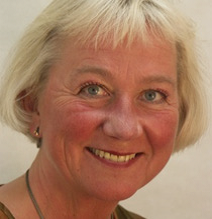
Birgitta Lindquist has completed her PhD from Gothenburg University, Sweden. She has been working with carious and eating disorder patients at the Clinic of Odontology for the past 30 years. She is a Lecturer, Odontology Doctor and Cariology & Oral Health Practitioner.


Abstract

Introduction: Different problems as tooth decay, gingivitis and dental erosions are more frequent in individuals suffering from eating disorders. Previous studies have shown that there is limited knowledge concerning oral health among different health professionals working with patients with eating disorders. The purpose of this survey-based study was to present how the staff describes their knowledge about the potential risk of oral illness in their patients.
Methodology: The survey consisted of 18 questions with answer options presented. The questions addressed how the staff perceives the importance of oral health of their patients and their experience and knowledge of oral symptoms and how they acquired it and used it in patient care. The response options ranged from "Very good/very important" to "very bad/not important" for questions that measured the experiences and attitudes as well as "Yes/No/Do not know" answers for the questions measuring whether staff are knowledgeable about the subject in question. Three participating clinics were included. In total, 53 surveys were sent of which 29 were answered.
Results: Nearly half of the respondents stated that patients found that oral health was important. The majority had occasionally received questions about oral health and they ask their patients about their oral health in relation to their eating disorders. There were more participants that had obtained their knowledge from their daily work rather than from earlier undergraduate studies. The results of the study suggest that participants experienced lack of knowledge in some areas.
Conclusion: This study supports the results of other studies and indicates that there is a willingness and a need to increase the knowledge of oral health among the professional categories at the eating disorders clinics.

Biography

Lokesh Tomar has completed his BDS from Rajiv Gandhi University of Health Sciences, Bangalore and is currently pursuing PG in Endodontics from Sharda University School of Dentistry, India. He has been an Eminent Speaker and has more than 10 oral presentations to his credit. He has completed courses on Facial Aesthetics under the guidance of Dr. Rajat Bhandari and Management of Severe Curvature under Dr. Antonis Chaniotis.


Abstract

Esthetic dentistry has become one of the main areas of dental practice emphasis and growth for several years. Patients are increasingly seeking treatment for their oral condition with the primary concern of an esthetic enhancement. A smile design should always include the evaluation and analysis of both facial and dental composition, keeping in mind the “golden proportion”. Owing to improvements in physical and mechanical properties, particularly wear resistance, composite resins have overpowered silver amalgam as a choice of restoration in the modern era. With an advent of ceramic restorations (crowns and bridges, veneers) and advancement in bleaching technologies, it has become easy to meet the expectations of patients. A beautiful smile, not just beautiful teeth delineates the importance of facial esthetics with botox, dermal fillers, threads which have now been tremendously used in advance esthetic dentistry. This presentation highlights the key elements for the fruitful esthetic era.

Biography

Naveena Preethi is a Researcher and Clinician by profession. She is currently working as a Senior Lecturer in the Department of Pedodontics and Preventive Dentistry at Rajarajeswari Dental College and Hospital Bengaluru, India. She graduated from Rajiv Gandhi University of Health Sciences, one of the most reputed medical universities in the country. She is an active member of International Association for Dental Research (IADR) and regularly presents her research paper in various international conferences including American Academy of Dental Research. Her research papers mostly focus on Preventive Dentistry which have been published in various international as well as national journals.


Abstract

Over the years, oral health and dental hygiene are gaining lots of importance as it has proved to have a direct connection to systemic health. But the affordability and accessibility to this basic health care protocol is expensive, along with the side effects of modern medicines and oral hygiene products; the fact to which people are attracted and looking towards alternative traditional practices for longevity. Oil swishing is a time-honored Indian folk remedy that involves swishing edible oil in the mouth for oral and systemic health benefits. Oil pulling offers a naturalistic approach to oral health care as well as general health. It is believed to cure many diseases when practiced regularly and as directed. Considering its health benefits, and cost-effectiveness, regular oil pulling and oral hygiene practices hold promises for the non-invasive method in future.

Biography

Mostafa Helmy Mostafa Ahmed completed PhD (Doctor Degree) in Implant Prosthetic Dentistry, Kasr El Aini, Cairo University in 2013, MSc (Master’s Degree) in Implant Prosthetic Dentistry, Kasr El Aini, Cairo University in 2010. He is an Associate Professor in Prosthetic Department, Cairo University and was a Lecturer in Prosthetic Department, Cairo University from 2010 to 2013. He was a Demonstrator in Prosthetic Department, Cairo University from 2007 to 2010. He was a Resident in Prosthetic Department, Cairo University from 2004-2007. He completed BA degree from the Faculty of Dentistry in the year 2002.


Abstract

Completely edentulous patients often have problems with their complete dentures; a treatment modality of using two, four or six implants to support overdentures has been proposed to improve the retention as well as the stability of the conventional denture, in addition to preserving the residual alveolar bone. Several worldwide research studies tested the impact of implant-assisted overdentures on satisfaction and quality of life and concluded that individuals with implant-assisted overdentures were more satisfied and had a better oral health quality than others with conventional dentures. Implant-supported overdentures are indicated in clinical conditions requiring high values of retention and stability such as cases of high muscle attachments. Implant-retained overdentures offered a simpler, cheaper and equally successful prosthetic solution compared to the fixed restorations in the rehabilitation of maladapted edentulous mandibles. Moreover, they provide enhanced masticatory function, higher patients' satisfaction and quality of life than the conventional complete dentures. Systematic reviews comparing implant-supported overdentures retained by utilizing a wide range of attachment mechanisms were recently published. The implant supported treatment modality might be in the form of splinted implants (e.g. bar-retained overdentures), or unsplinted implants (as in case of ball, locator or magnetic attachments). Owing to the smaller space requirements, ease of cleaning, more economical achievement and lower technique sensitivity; unsplinted attachments have been preferred over splinted ones. The most common maintenance requirement of any overdentures attachment, found to be the renewal or reactivation of the retentive element. Inadequate inter-arch space was found to be one of the major causes of bulk fracture of the acrylic denture base. Furthermore, it might lead to inappropriate positioning of the denture teeth with subsequent esthetic and phonetic problems. Locator’s attachments presented the lowest profile of the currently available stud attachments. Findings suggested that depending on the attachment system used, the degree of patient satisfaction is directly affected by the amount of retention and stability of the implant-supported overdentures. Learning objectives of this presentation will be, detailed amplification of the implant-supported overdentures, measuring the degree of patient satisfaction, simplifying the procedures of overdentures construction, practical measurements of optimum number of implants to be utilized and different construction approaches of implant-assisted overdentures in both arches.

Biography

Silvana Beraj is Deputy Editor of IJSS Case Reports & Reviews. She is a Lecturer of Physiology in Faculty of Technical Medical Sciences Tirana, Albania and Fixed Prosthodontics at Fixed Prosthodontics Department, Faculty of Dentistry Sinai University. Also, she is a Collaborator in the preparation of Teaching Curricles of Dental Assistant in the Department of Medicine, Faculty of Professional Studies, Alexander Moses University. Also, she is a Lecturer on the field of Dental Occlusion and Fixed Prosthodontics at the Faculty of Dentistry, Krystal University. She has more than 55 publication and presentations to her credit.


Abstract

Neuromuscular equilibrium and optimal-stable cranio-sacral alignment is the absolute goal of the TMDs treatment. The holistic principle of homeostasis goes beyond basic occlusal understanding and mandibular spatial positioning. To support cranio-mandibular system function, compensatory muscle activity takes place within the entire body which is an integral part of dynamic orchestra of the movement. In an attempt to resolve the underlying occlusal problems of TMD, this compensatory muscle activity may result in serious symptoms due to the cranio-sacral importance of motion in maxillary and palatine sutures. A number of intrinsic physiologic processes act upon the masticatory system and collectively determine its parameters of function. These physiologic determinants include cardiovascular, endocrine, immunologic, metabolic and neural (both peripheral and CNS) influences. Several neurological and orthopaedic disorders have been discovered and ultimately resolved by treating local pathogenetic factors. Improper physical forces result in heightened afferent trigeminal nerve activity and input to the central nervous system. Under such circumstances, jaw and tooth mobility play an important role in the postural organization or, conversely, postural disorganization.

Biography

Hanna Olson has a Master’s Degree in Integrative Health Science from the University of Kristianstad, Sweden. In 2015, she joined the Faculty of Dentistry, University of Otago; New Zealand’s National Centre for Dentistry, as a Lecturer in the Department of Oral Sciences. Hanna is now Head of Discipline for Dental Hygiene. She has 15 years of clinical work experience as a Dental Hygienist in Scandinavia, providing care for patients of all ages in different settings including private practice, the Community Dental Service, Specialist Dentistry within the Department of Oral and Maxillofacial Surgery clinic and Hospital Dentistry. She has first-hand experience in outreach oral health care and health promotion, which are her core areas of teaching. Some of her interests are multi-professional team work, international collaboration, health care supervision and research on oral health education.


Abstract

Despite a recent trend to investigate students’ stressors in dentistry learning environments, there is little research on students’ stressors in the oral health learning environments. This study aimed to identify self-perceived stressors of Bachelor of Oral Health students to determine if the learning support provided at the University of Otago, Faculty of Dentistry, New Zealand is meeting student’s needs. All Bachelor of Oral Health students (n=135) were invited to complete an online modified version of the Dental Environmental Stress Survey. The survey consisted of 39 questions: 7 collecting demographic information, 1 free comment box, and 31 items related to various potential sources of stress which students were asked to rate on a 5-point Likert-type scale ranging from ‘not at all stressful’ to ‘extremely stressful’. Additionally, the student learning support system was examined. Quantitative data were analysed using SPSS software. Around half of the group of respondents were first-year students, with participants from second and third years equally distributed. The items ‘fear of being unable to catch up if behind’ and ‘examinations and assessments’ scored the highest, indicating that the students perceived these to be their greatest stressors. Overall, academic requirements were the highest scoring self-perceived stressors for students from all year groups. Stressors related to the clinical environment were highest for second-year students, which is when students start seeing patients. Although there is an existing network of support for students, the study identified several self-perceived stressors over 3 years of Bachelor of Oral Health study that have implications for student support. We describe how existing student support correlates to the findings, and areas where support might be increased. We conclude with directions for future research to better.

Tracks